
Understanding Flaky Croissants
The Origins of Croissants
Croissants have a rich history that dates back to the 13th century. They began in Austria before making their way to France. The shape of the croissant resembles the crescent moon, a symbol of victory. French bakers took this idea and made it their own. Today, they are a staple in many bakeries across the world. The classic French croissant recipe is loved for its buttery layers and flaky texture.
What Makes Croissants Flaky?
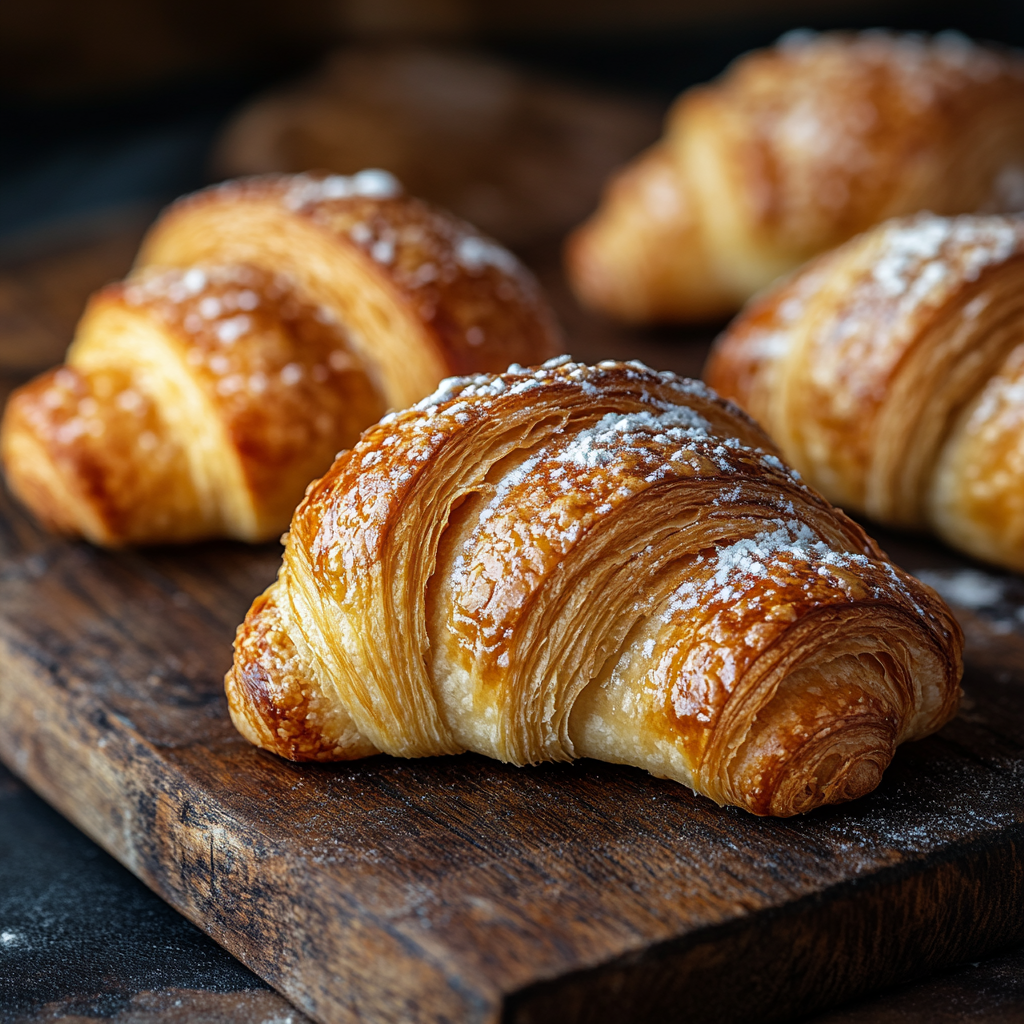
Flakiness in croissants comes from a special process called lamination. This means folding butter into the dough multiple times. Each fold creates layers of dough and butter. When baked, these layers puff up and create that perfect, flaky texture. High-quality butter is key to achieving buttery layers in croissants. Without it, the taste and texture will suffer.
Key Differences: Croissants vs. Puff Pastry
Though they seem similar, croissants and puff pastry are not the same. Croissant dough uses yeast, which makes it rise. This gives croissants their airy texture. Puff pastry, however, relies only on layers of dough and butter. It does not have yeast, so it puffs up differently. Understanding these key differences can help you master your flaky croissants recipe.
Essential Ingredients for Flaky Croissants
The Importance of High-Quality Butter
Using butter for croissants is key. It adds rich flavor and flaky layers. I recommend unsalted butter. This lets you control the salt in your dough. Choose a butter with at least 82% fat. Higher fat means better layers.
Selecting the Right Flour for Texture
Choosing flour for croissants is crucial. You want all-purpose flour or bread flour. These flours have the right protein content. This helps create a good structure. It also helps the dough rise. Look for flour with at least 11% protein. This gives you the best croissant dough.
Other Essential Ingredients for Success
Dont forget about yeast for croissants. Active dry yeast works well. It helps your dough rise, making it fluffy. You also need sugar for a touch of sweetness. A little salt adds flavor too. Milk gives moisture and helps with texture. Together, these ingredients create the perfect flaky croissants recipe.

Step-by-Step Guide to Making Croissant Dough
Preparing the Dough: A Detailed Process
To make flaky croissants, start with the right dough. Mix flour, salt, sugar, and yeast in a bowl. Use cold water to bring it all together. Knead the dough until smooth. This takes about 5-10 minutes. After that, wrap it in plastic and chill in the fridge for at least 30 minutes. This helps the dough relax.
The Role of Yeast in Croissant Dough
Yeast is key for croissants. It helps the dough rise. When it rises, it creates air pockets. These pockets turn into buttery layers when baked. Use fresh yeast for the best results. If your dough does not rise, it might be the yeast. Always check the date before use.
Tips for Resting and Chilling the Dough
Resting the dough is very important. After kneading, let it chill. This makes the dough easier to roll. Chilling also helps the butter stay firm during lamination. Do not skip this step if you want perfect, flaky croissants. You can chill the dough overnight for more flavor.
Mastering the Lamination Process
What is Lamination and Why is it Crucial?
Lamination is key to making flaky croissants. This method creates layers of dough and butter. When baked, these layers puff up. This gives croissants their light and airy texture. Without proper lamination, your croissants may turn out dense.
Techniques for Achieving Perfect Layers
Start with cold butter and dough. Use a rolling pin to flatten the dough. Fold it in thirds, like a letter. Repeat this process several times. Each fold adds more layers. Keep your workspace cool to prevent the butter from melting. This helps create those buttery layers in croissants.
Common Mistakes to Avoid During Lamination
Avoid overworking your dough. This can make it tough. Also, do not let the butter get too warm. If it melts, you won’t get good layers. Lastly, be careful with the thickness of your dough. Too thick can lead to undercooked centers. Follow these tips to master the lamination process for croissants.
Shaping and Proofing Croissants
How to Shape Croissants Like a Pro
Shaping croissants takes practice, but its fun! Start with your dough rolled out to a rectangle. Cut it into long triangles. Each triangle should have a base of about 4 inches. The height should be about 8 inches. Next, take the base of each triangle and gently stretch it. This helps create those flaky layers.
Now, roll each triangle tightly towards the tip. Make sure to keep the tip tucked under. This will help the croissant hold its shape. Place the shaped croissants on a lined baking sheet. Give them space to grow. You can shape mini croissants too, just use smaller triangles!
Understanding the Proofing Process
Proofing croissant dough is key for great texture. After shaping, let your croissants rest. Cover them with a clean towel. Leave them in a warm area. This helps the dough rise. Proofing usually takes about 1 to 2 hours. The dough should double in size. You want it light and airy!
Check the croissants by gently poking one. If the dough springs back slowly, it’s ready for baking. If it springs back fast, give it more time. Proper proofing leads to those buttery layers in croissants.
Troubleshooting Texture Issues in Croissants
If your croissants are dense, they may not have proofed enough. More volume helps them puff. If they are too dry, check the butter quality. Always use high-quality butter for best results. If they burn, lower the oven temperature. Baking temperature for croissants should be around 375°F.
Remember, practice makes perfect! Each batch will teach you more. If you want to dive deeper, check our cream soup recipes for cozy meal ideas. Or explore hearty noodle soups that warm your soul.
Baking and Serving Your Croissants
Optimal Baking Techniques for Flaky Croissants
To bake croissants well, set your oven to 400°F (200°C). Place the croissants on a baking sheet lined with parchment paper. Make sure to leave space between each one. This gives them room to rise. Bake for about 15 to 20 minutes. They should turn golden brown and smell delicious.
For the best flaky layers, use steam in the oven. You can add a tray of water at the bottom. This steam helps create the soft texture inside and the crispy crust outside. Keep an eye on them as they bake. You want them perfect, not burnt!
Serving Suggestions to Enhance Your Croissant Experience
Freshly baked croissants taste great on their own. But you can make them even better! Try spreading some butter or your favorite jam on top. A little honey also adds a nice touch. If you love chocolate, fill a croissant with chocolate spread for a sweet treat.
Croissants pair wonderfully with coffee or tea. You can serve them for breakfast or brunch. They also make a great snack any time of day. Try adding some fresh fruit on the side for color and taste.
Best Practices for Storing Croissants for Freshness
To keep your croissants fresh, store them in a paper bag. This helps them breathe and stay crispy. Avoid using plastic bags, as they trap moisture and make croissants soggy.
If you want to keep them longer, freeze them. Place them in an airtight bag and freeze right after baking. To enjoy, just heat them in the oven for a few minutes. This brings back that fresh-baked flavor and texture.
For more ideas on baked goods, check out my Creamy Mushroom Chicken and Wild Rice Soup Recipe for a warming meal.
Flaky Croissants Recipe for an Amazing Breakfast
Ingredients List
To make the best flaky croissants, you need high-quality ingredients. Here is the full recipe:
- 4 cups all-purpose flour
- 1/4 cup sugar
- 1 tablespoon salt
- 1 tablespoon instant yeast
- 1 1/2 cups cold milk
- 1 1/2 cups unsalted butter, cold
- 1 egg, for egg wash
Step-by-Step Instructions
- Mix flour, sugar, salt, and yeast in a bowl.
- Add cold milk and mix until dough forms.
- Wrap dough in plastic and chill for 30 minutes.
- Roll out dough into a rectangle on a floured surface.
- Place cold butter in the center and fold the dough over it.
- Roll out again and fold into thirds. Chill for 30 minutes.
- Repeat rolling and folding two more times.
- Roll out the dough into a large rectangle.
- Cut into triangles and roll each triangle into a croissant shape.
- Place on a baking sheet and let rise for 1-2 hours.
- Preheat the oven to 375°F (190°C).
- Brush croissants with egg wash before baking.
- Bake for 15-20 minutes or until golden brown.
Tips for Variations and Fillings
You can add chocolate or almond paste for tasty fillings. Try ham and cheese for a savory twist. For a fun treat, use fruit preserves. Experiment with different flavors and fillings to make each batch unique!
Ingredients
- For the Dough:
- 4 cups all-purpose flour
- ¼ cup sugar
- 1 tablespoon active dry yeast
- 1 teaspoon salt
- 1 ¼ cups warm milk
- 2 tablespoons unsalted butter (softened)
- For the Butter Layer:
- 1 cup unsalted butter (cold)
- For the Egg Wash:
- 1 egg
- 1 tablespoon milk
Instructions
- Chocolate Chips: For classic chocolate croissants (pain au chocolat).
- Almond Paste: Adds a nutty, sweet filling.
- Cinnamon Sugar: A light dusting before baking enhances sweetness.
- Orange Zest: Adds a fresh citrus aroma.
- Honey Glaze: A thin layer on top for added shine and taste.
- Sesame or Poppy Seeds: For a crunchy, flavorful topping.
Conclusion
In this article, we explored how to make flaky croissants. We discussed their rich history and what makes them special. High-quality butter and flour are key for the perfect texture. The lamination process is crucial for those flaky layers. I shared tips for shaping, proofing, and baking.Croissants require patience, but the effort is worth it. With practice, anyone can master this classic French pastry. Enjoy your baking journey and savor every bite of your creations.