
Understanding Japanese Curry
The Origin of Japanese Curry
Japanese curry has a rich history. It started during the Meiji period. British sailors brought curry to Japan in the 19th century. The Japanese adapted it to fit local tastes. They added sweeter flavors and thicker sauces. This made it different from Indian curry.
Cultural Significance in Japanese Cuisine
Japanese curry is a comfort food for many. It brings families together. You often see it at home and in restaurants. It is common to eat curry with rice. Kids love it, and adults enjoy it too.
Overview of Traditional Japanese Curry
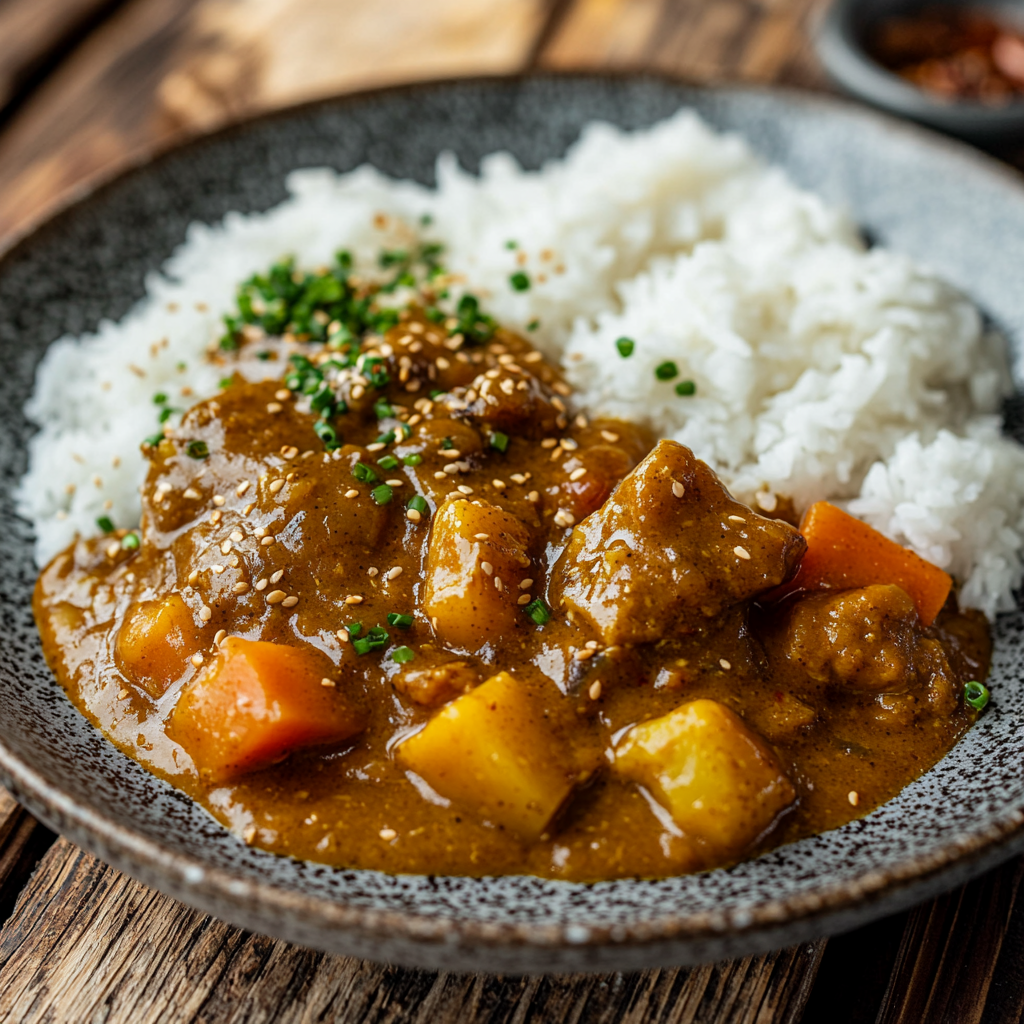
Traditional Japanese curry is thick and hearty. It usually includes meat and vegetables. Common meats are chicken, beef, or pork. You can also find vegetarian versions. The dish is often served with rice. The curry roux is the star, giving it rich flavor. The sauce is mild but comforting. You can find many Japanese curry recipes online. This dish is loved by everyone!
Essential Ingredients for Japanese Curry
Key Ingredients for Authentic Flavor
To make great Japanese curry, you need key ingredients. Start with curry roux. This mix gives your dish its rich taste. You can find it in stores or online. Common brands include S&B Golden Curry and House Vermont Curry. They are easy to use and taste amazing.
Next, choose your meat. Chicken, beef, and pork work well. Use tender cuts for the best flavor. You can also make a vegetarian version using tofu or chickpeas. Both choices are healthy and tasty.
Recommended Curry Roux Brands
When picking curry roux, go for trusted brands. S&B Golden Curry is popular for its balanced spice. House Vermont Curry is sweeter and great for kids. If you want a kick, try Curry House Java. It adds heat and depth.
For a homemade touch, you can make your own roux. Combine flour, oil, and spices like turmeric and cumin. This method gives you control over flavor.
Ideal Vegetables for Your Curry
The best vegetables for Japanese curry include carrots, potatoes, and onions. They add sweetness and texture. Chop them into bite-sized pieces for even cooking.
You can also add bell peppers, peas, or mushrooms. These options boost nutrition and flavor. For a healthy Japanese curry, focus on colorful veggies. Each adds a unique taste and makes your dish vibrant.
For a twist, try seasonal vegetables like pumpkin in fall. It adds a sweet note that pairs well with spices.
Step-by-Step Guide to Making Japanese Curry
Preparation Steps for Beginners
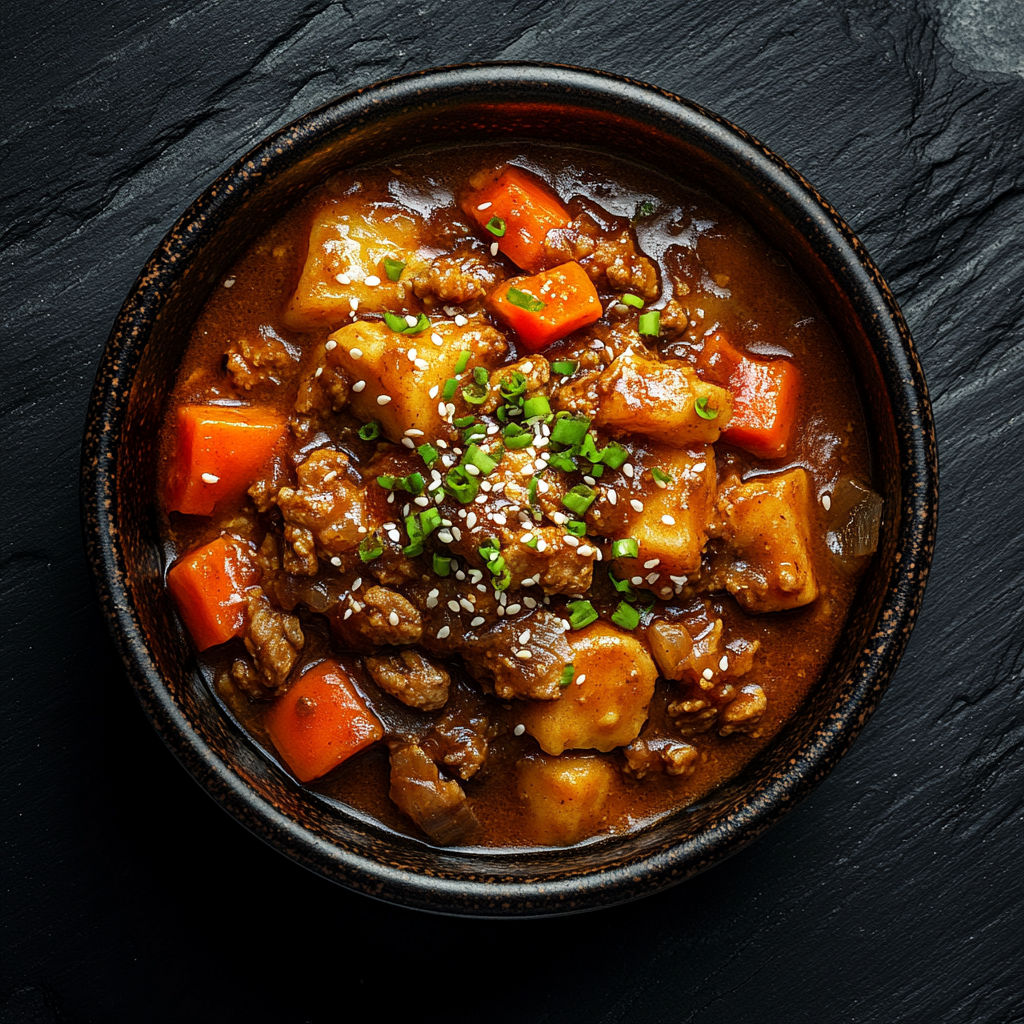
First, gather your ingredients. You will need curry roux, vegetables, and meat. Common veggies are carrots, potatoes, and onions. For meat, you can use chicken, beef, or tofu. Cut your veggies and meat into small pieces. This helps them cook evenly.
Next, heat oil in a large pot over medium heat. Add your meat first. Cook until it is brown. Then, add onions and stir until they are soft. Add carrots and potatoes next. Stir to mix everything well.
Cooking Techniques for Perfect Curry
Once the veggies are in, add water. Use enough to cover all the ingredients. Bring it to a boil, then reduce the heat. Let it simmer for about 20 minutes. This helps the flavors blend nicely.
After simmering, add your curry roux. Stir well until it melts. This is where the magic happens! The roux thickens the sauce and adds rich taste. Let it cook for another 10 minutes. Stir often to prevent sticking.
Timing and Cooking Duration Tips
Cooking time for Japanese curry is key. Overall, it should take about 30 to 40 minutes. If you want a thicker sauce, let it simmer longer. You can also add more roux if needed. Taste as you go to adjust flavors.
For a quick Japanese curry, use pre-cut veggies and store-bought roux. This makes cooking time faster. You can also make a batch ahead of time. Store it in the fridge or freeze for later use.
Variations of Japanese Curry
Exploring Vegetarian and Vegan Options
If you want a vegetarian Japanese curry recipe, you can use many tasty veggies. Carrots, potatoes, and onions work well. You can also add mushrooms and bell peppers for more flavor. For a vegan option, skip the meat and use vegetable broth instead. This keeps the dish healthy and full of taste.
Enhancing Flavor with Spices
Spices can really boost your Japanese curry flavor profile. Consider adding a bit of cayenne for a spicy Japanese curry. A touch of garlic or ginger can also add depth. Try adding soy sauce for umami or even a dash of curry powder for extra warmth. These tips can help you make your own unique Japanese curry sauce recipe.
Popular Protein Choices for Your Curry
When picking proteins for your curry, chicken, beef, or seafood work great. For a classic taste, try Japanese curry with chicken. If you want something richer, a beef Japanese curry recipe is perfect. For seafood lovers, shrimp or fish can make a delicious seafood Japanese curry. Each choice brings its own flavor and texture.
Serving and Pairing Suggestions
Ideal Rice Pairings for Japanese Curry
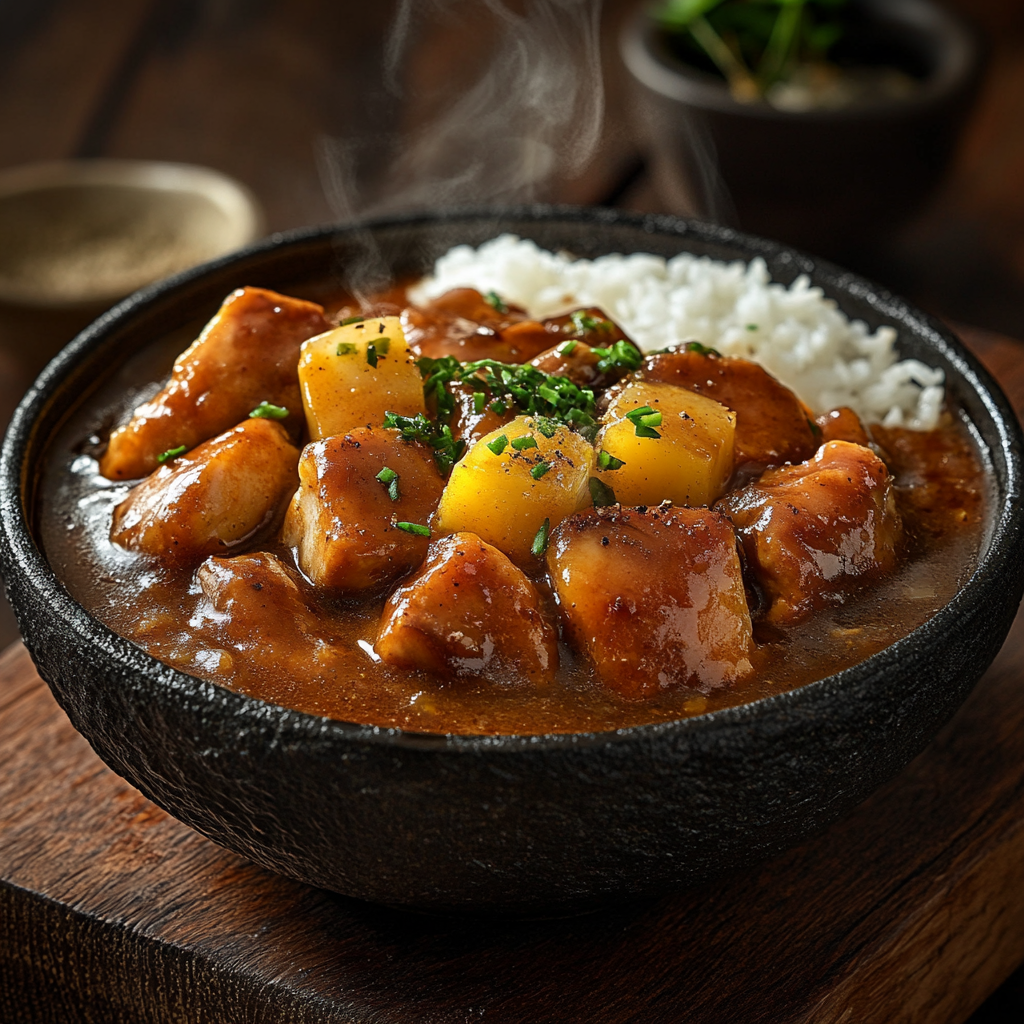
Rice is the best base for Japanese curry. The best rice for Japanese curry is short-grain rice. This rice is sticky and holds the sauce well. You can also use jasmine rice for a fragrant option. Both types soak up the flavors nicely. I recommend cooking the rice in a rice cooker for perfect results.
Complementary Side Dishes
Pairing dishes can enhance your curry meal. Pickles, known as tsukemono, are a great side. They add crunch and freshness. A simple salad with cucumbers and carrots also works well. You might enjoy steamed vegetables like broccoli or green beans. These sides balance the richness of the curry. For a heartier option, try teriyaki chicken for a satisfying meal.
Beverage Pairings to Elevate Your Meal
Choosing the right drink can enhance your curry. Green tea is a classic choice. It refreshes and cleanses your palate. If you prefer something stronger, try a light beer. It pairs well with the spice of the curry. A chilled sake can also complement the flavors nicely. Remember, the goal is to balance the meal.
Tips for Storing and Reheating Japanese Curry
Proper Storage Methods for Freshness
To keep your Japanese curry fresh, store it in an airtight container. Let it cool first. Place it in the fridge if you plan to eat it within three days. For longer storage, freeze it. It will last up to three months in the freezer. Make sure to label the container with the date.
Creative Ways to Use Leftovers
If you have leftover curry, don’t worry! You can transform it into a new meal. Try adding it to rice or noodles for a quick dish. You can also use it as a filling for curry udon. Another fun idea is to make curry rice bowls. This way, you get a new dish without much effort.
Efficient Meal Prep Strategies with Curry
Meal prepping with Japanese curry saves time and makes meals easy. Cook a big batch on a weekend. Portion it out in containers. This way, you have ready meals for the week. You can mix it up by adding different sides, like steamed veggies or salad. It keeps your meals exciting.
Ingredients
- 1 lb chicken (or your choice of protein)
- 1 onion, chopped
- 2 carrots, sliced
- 2 potatoes, diced
- 4 cups water
- 1 package Japanese curry roux
- 2 tablespoons oil
- Salt and pepper to taste
Instructions
- Heat oil in a pot over medium heat.
- Add chopped onion and cook until soft.
- Add chicken and cook until no longer pink.
- Stir in carrots and potatoes; cook for a few minutes.
- Add water and bring to a boil.
- Reduce heat and simmer for 15 minutes.
- Add curry roux and stir until dissolved.
- Simmer for another 10 minutes until thickened.
- Serve hot with rice.
Conclusion
Japanese curry is a delicious mix of history and flavor. We explored its origins, cultural importance, and traditional recipes. I shared key ingredients and tips for making the perfect curry. You learned about tasty variations and how to serve them well. Finally, I provided storage tips for your leftovers.Japanese curry is simple to make and full of comfort. Enjoy this dish with family and friends.